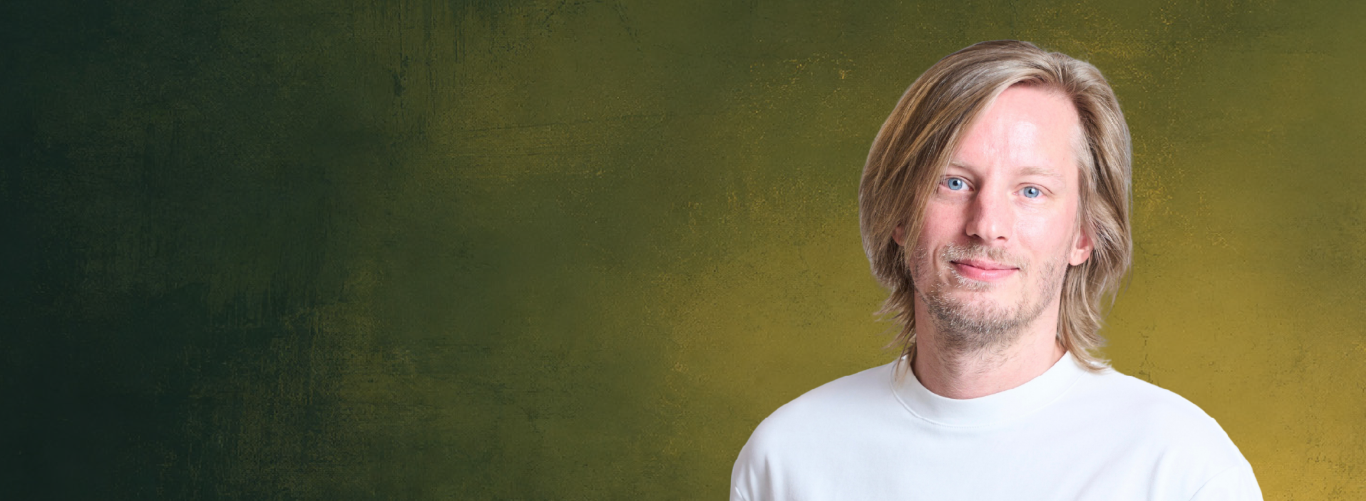
Standing Inside the Question: Translating Research into Immersive Form
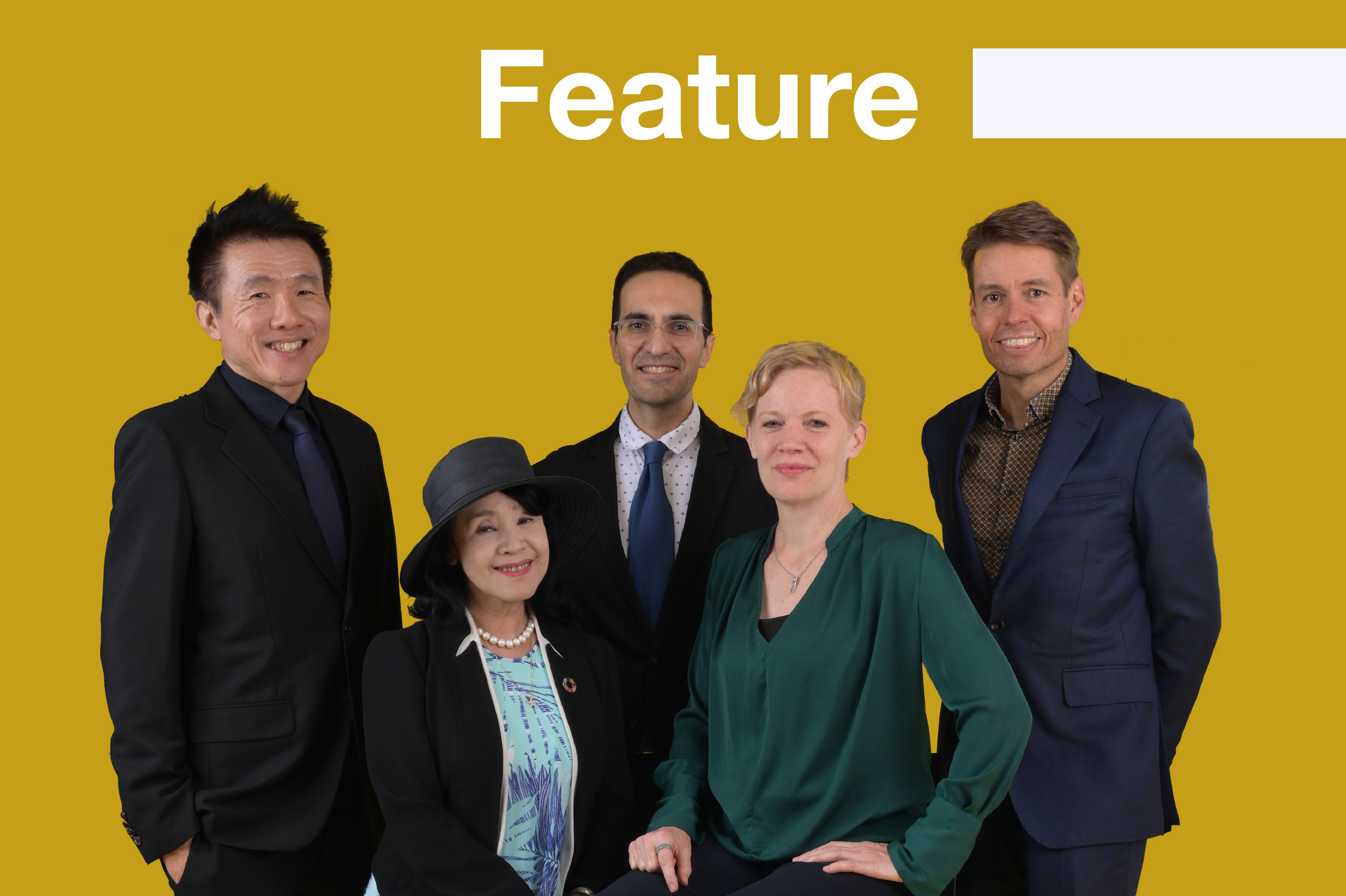
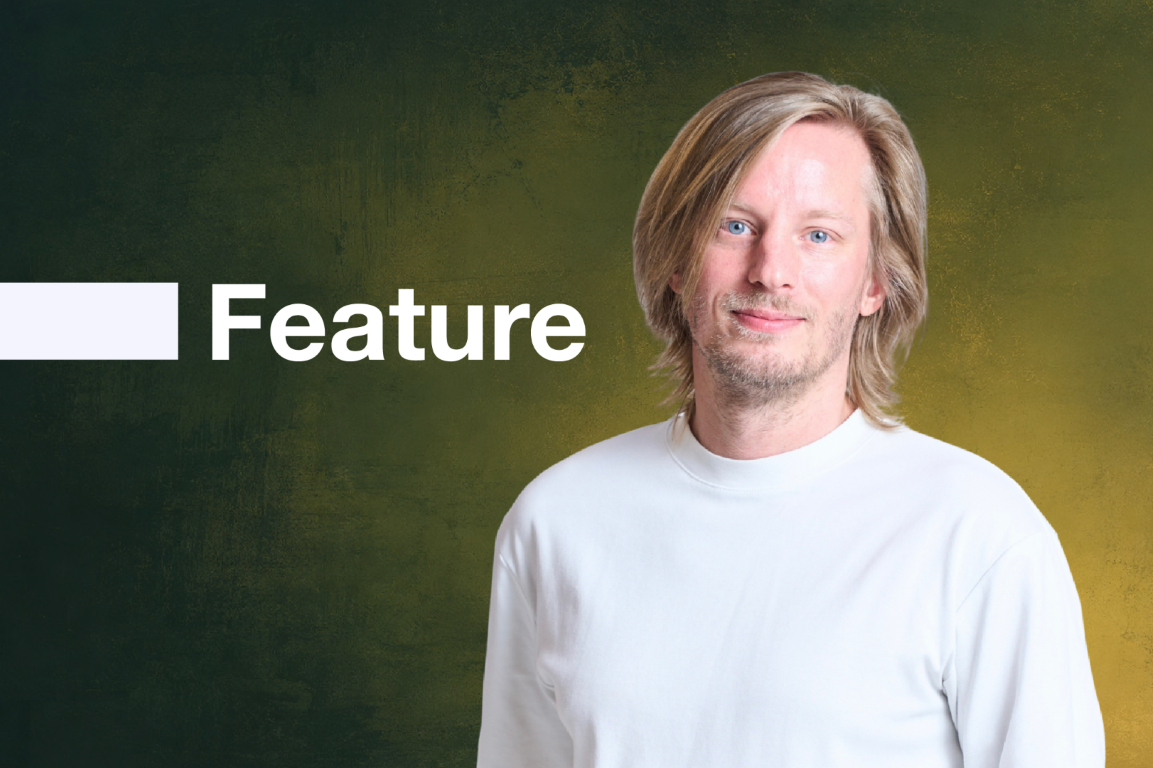
Sebastien Jurkowski is Principal of Contrast Studio and Curatorial Advisor at Rexperience KL, and is working with the inaugural cohort of OUM’s Southeast Asian Fellowship (SEAF) on its immersive content. Over the coming year he will lead, as creative director, the translation of five research projects into ten-minute immersive works, to be premiered at REXKL in December 2026. Here he reflects on what that translation asks of a practitioner, and on why the exhibition space is not an afterthought to the scholarship but a second way of putting the same question.
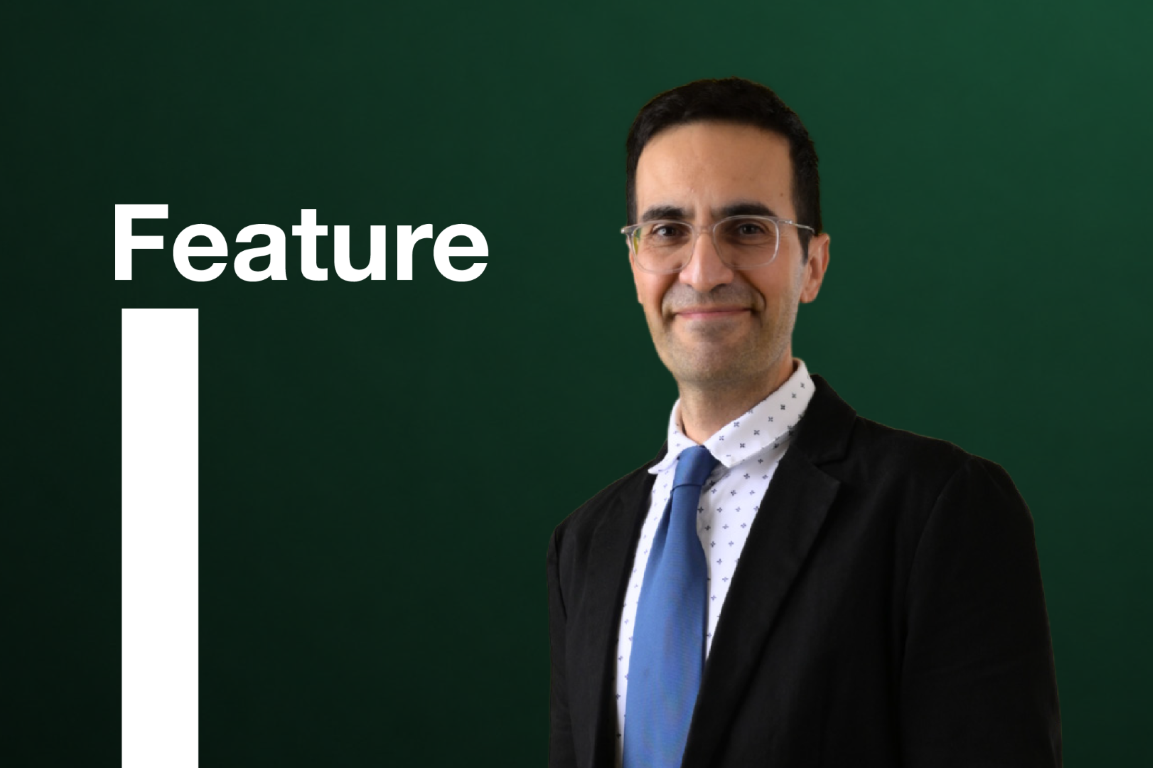
When Dr Myra Mentari Abubakar sent through her SEAF proposal, one image stayed with me: the 1905 Van Vuren arrest photograph of Cut Nyak Din, the Acehnese revolutionary. Dr Myra’s work asks what happens to that photograph now, when it is passed through generative AI, search engines, and social media, and how the woman in the frame is flattened, orientalised, or quietly erased by systems that were never taught to see her.
To read that argument in a journal is one thing. To stand inside it is another kind of understanding entirely, to watch her image morph in real time as successive algorithmic filters lay hold of it, to feel yourself implicated in the spectatorship that produces those distortions.
That gap, between reading about something and standing inside it, is what SEAF’s immersive component is for. It is not decoration. It is a different mode of address. Southeast Asia’s futures are being shaped, right now, by teenagers scrolling on the LRT, the side-hustlers navigating traffic on Grab bikes, or your uncle livestreaming his durian sales from his living room. They are not going to open a scholarly article. But they will spend ten minutes inside a walk-in room in Kuala Lumpur, and they will leave carrying a question they did not bring in.
At Rexperience and Contrast Studio, we come into this from the practitioner side, from colour, sound, projection, the design of a space that surrounds the viewer. What SEAF has asked us to do is harder than the commercial commissions we are used to. Dr Nitipat Pholchai’s Khwan cosmology has to remain Khwan cosmology when it meets our particle systems. Dr Ros Sayumphu’s LiDAR of Banteay Chhmar has to hold the ethical weight of a heritage community, not just its point cloud. Dr Shari Eunice T. San Pablo and her team’s work on platform mobility has to make invisible routes visible without deciding for the visitor which mobility futures should prevail. The work by Christina Mary Richard and her team demands that we recreate on screen the varied ways in which visually impaired persons “see,” asking the sighted visitor to spend ten minutes inside a perception that is not their own. The discipline is not to translate the research into something prettier. It is to make the research legible to people who would not otherwise encounter it, without losing what made it worth doing in the first place.
If we get that right, five ten-minute pieces in a Kuala Lumpur exhibition space will do something a journal issue cannot quite do on its own. They will draw the region’s next generation into the conversation about the sociodigital futures being built around them, in a form they already speak.
inspired is a quarterly publication by: UNITEM SDN BHD, Menara OUM, Block C, Kelana Centre Point, Jalan SS7/19, Kelana Jaya 47301 Petaling Jaya, Selangor