OUM’s Southeast Asia Fellowship (SEAF) is a new initiative that brings together scholars, artists, technologists, and practitioners from across the
region to examine how digitalisation is reshaping Southeast Asia and its futures. Developed by the Centre for Digital Education Futures (CENDEF), the Fellowship reflects OUM’s commitment to understanding how digital technologies are altering social practices, cultural meaning, and institutions, and what this means for education and learning.
For the 2026–27 cycle, Fellows are taking up the theme of “Sociodigital Futures of Southeast Asia”. The term “sociodigital futures” refers to futures in the making that emerge through the dynamic interplay of social practices, cultures, institutions, and digital technologies. The underlying assumption, often overlooked but central here, is that technological change does not unfold in isolation. Technologies are shaped by the societies in which they are developed, adopted, adapted, and contested, even as they reshape those societies in return. This reshaping is often uneven.
This perspective carries particular weight at a time when artificial intelligence (AI), algorithmic systems, platforms, and data infrastructures are increasingly mediating how people communicate, work, govern, create, and learn. Questions about Southeast Asia’s digital futures therefore cannot be reduced to questions of technological capability alone. They are also questions about values, power, culture, identity, and the kinds of societies that Southeast Asians wish to build.
"sociodigital futures’ refers to futures in the making that emerge through the dynamic interplay of social practices, cultures, institutions, and digital technologies."
For OUM and CENDEF, such questions are closely connected to the future of digital education. Education does not exist apart from the wider social worlds in which it operates. The opportunities, challenges, assumptions, and inequalities that emerge through digitalisation inevitably shape educational systems, institutions, learners, and educators. OUM is itself situated within these conditions, serving learners across Malaysia and the wider region. Understanding digital education futures therefore requires attending to the sociodigital transformations taking shape across Southeast Asia. In engaging with these transformations, SEAF contributes to a fuller account of the contexts within which futures of education will be imagined, negotiated, and realised.
SEAF is also distinctive in how Fellows communicate their work. Alongside scholarly publications or equivalent outputs and public webinars, Fellows will collaborate with artists and technologists to produce 3D immersive storytelling experiences inspired by their projects. These works will be exhibited to public audiences, opening new avenues for engagement with the ideas and questions emerging from the Fellowship.
Underlying this is a simple recognition. Southeast Asia’s futures are not solely academic concerns. Such questions as technological change, cultural memory, heritage, and human flourishing are lived before they are theorised, and are often best grasped in forms that extend beyond scholarly texts. In weaving together research, public dialogue, and immersive storytelling, SEAF invites Fellows to find new ways of communicating complex ideas and drawing wider communities into conversations about the region’s possible futures.
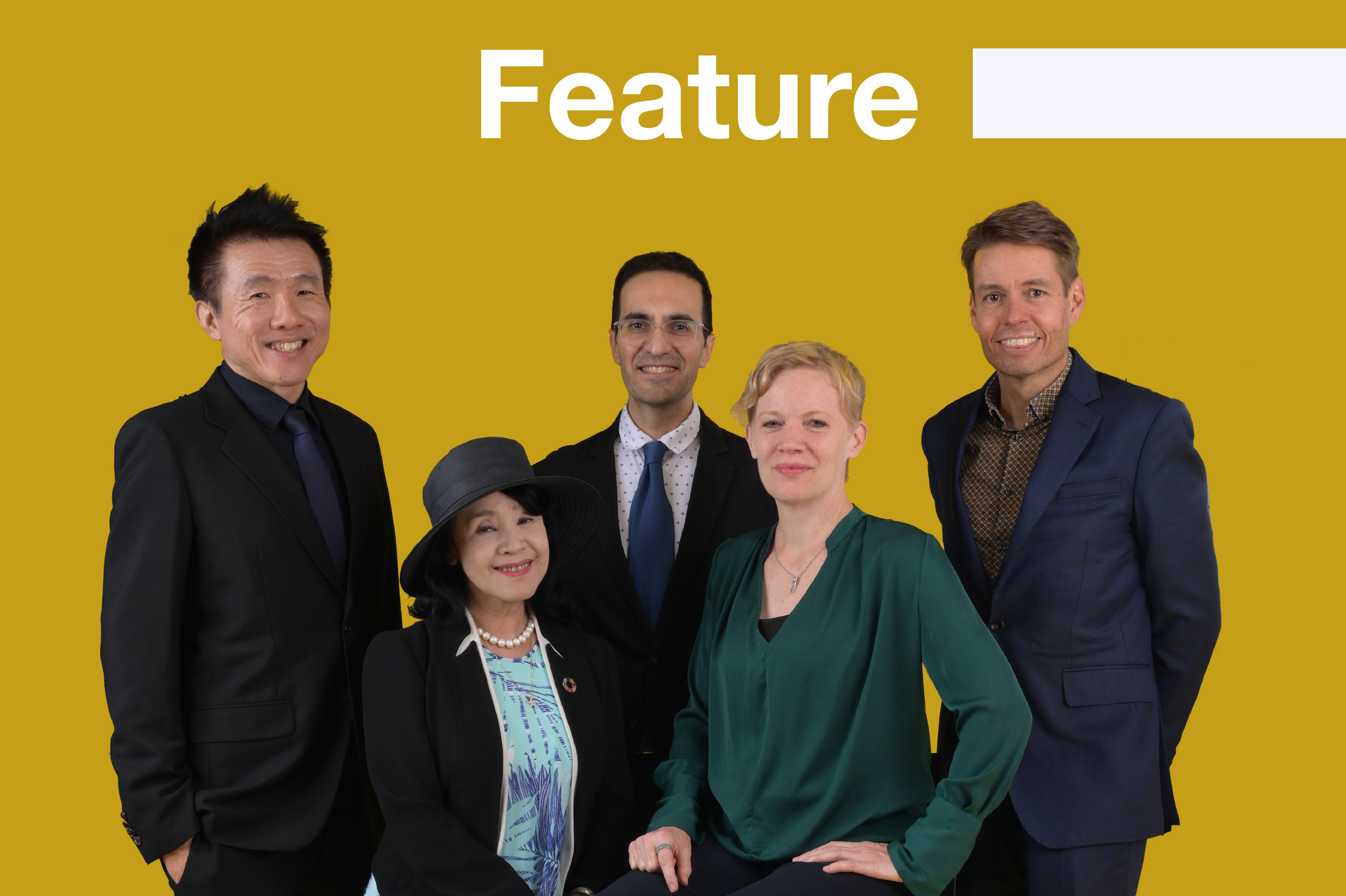
The inaugural SEAF cohort reflects the diversity and complexity of Southeast Asia itself. Their projects take up issues ranging from digital heritage and gender to urban mobility, disability, identity, and alternative ways of imagining the relationship between technology and society. Together, these projects illuminate how Southeast Asians are understanding, navigating, and shaping the many sociodigital futures emerging across the region.
To introduce the Fellows and their work, we invited each of them to reflect on a common question: “Why is it critical that Southeast Asia dives deep into research on the sociodigital futures of Southeast Asia?” Their responses follow.
The digital technologies shaping how Southeast Asians communicate, learn, remember the past, and imagine the future are mostly designed outside the region. They are built on data, assumptions, and priorities that often overlook Southeast Asian histories, languages, and social realities. As a result, these systems can simplify complex cultures, amplify some voices while ignoring others, and shape what stories become visible online.
This has real consequences. It affects, for instance, how generative AI portrays historical figures, what information appears in search results and whose perspectives are prioritised on digital platforms. These technologies do not simply reflect society. They help shape public memory and influence how people understand themselves and their communities.
Southeast Asian scholars bring unique positionality, deep understanding of local contexts, and connections to the communities affected by these technologies. Therefore, studying our sociodigital futures is not only important for the production of knowledge but also for guaranteeing that digital futures are shaped by the people who will live with their consequences.
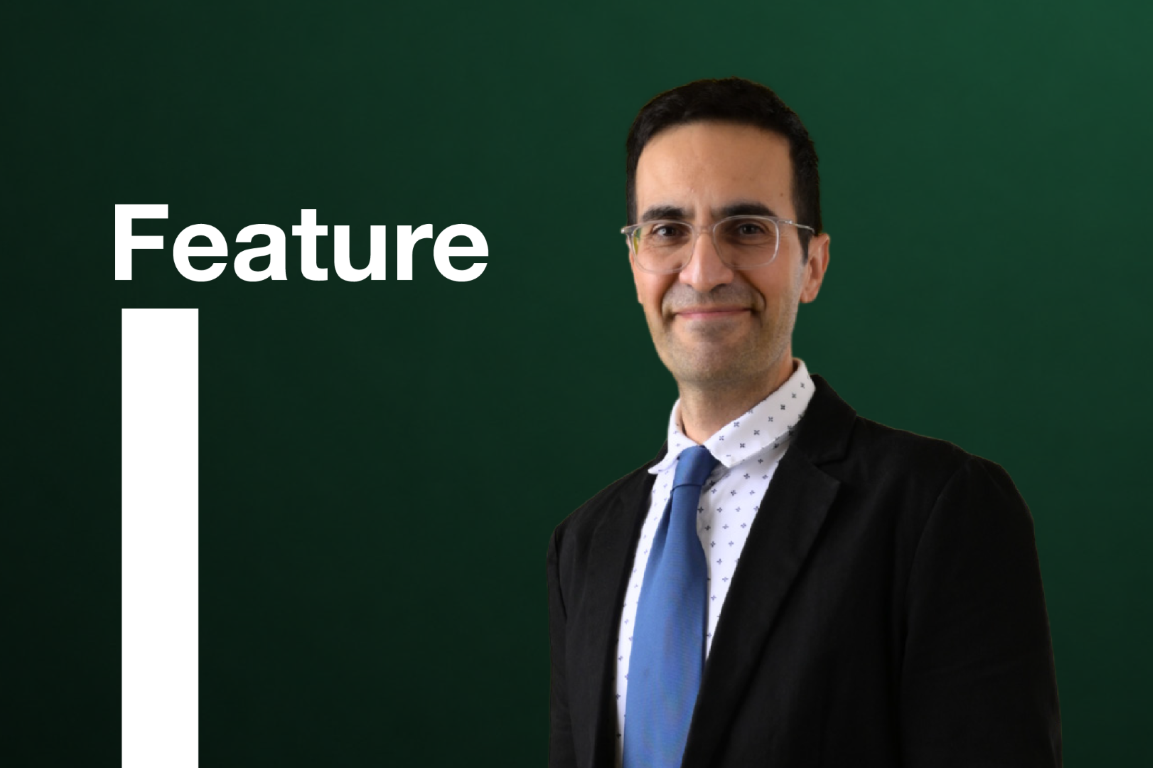
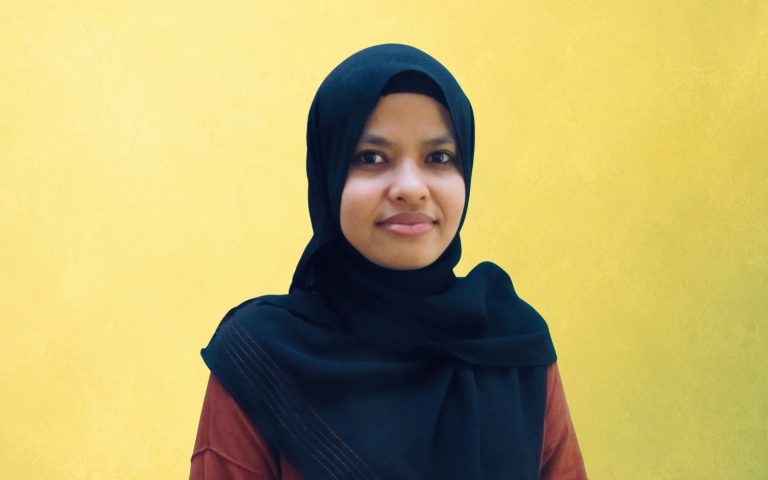
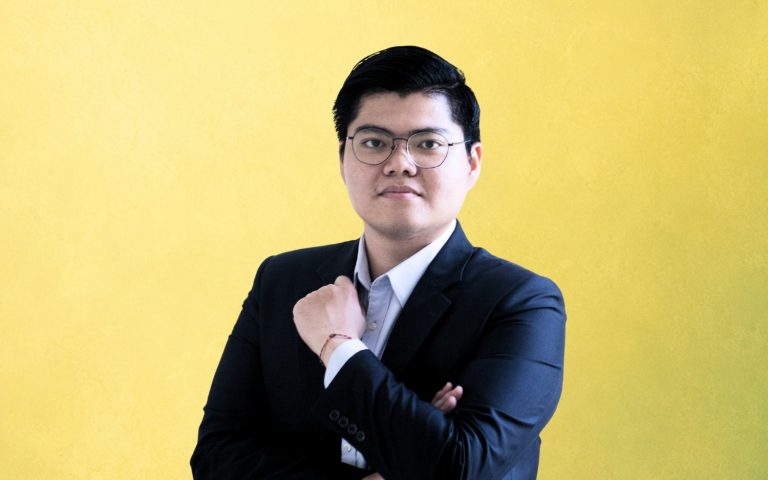
Dr Myra Mentari Abubakar is a cultural historian working on memory, gender, and postcolonial history in Southeast Asia. She holds a PhD from the Australian National University (2024) and is currently a Postdoctoral Researcher at BRIN, Indonesia. Her SEAF project, The Algorithmic Heroine: Gendered Memory and the Logic of Digital Platforms in Indonesia, examines how AI and social media platforms distort the historical memory of Southeast Asian female revolutionaries.
"Education does not exist apart from the wider social worlds in which it operates."
Southeast Asia needs to look deeply into its sociodigital futures because they are already being shaped in the present by systems that many people do not design and cannot fully see. In Manila, for instance, app-based mobility platforms shape labour, time, and everyday survival in ways that affect workers and ordinary users, often invisibly.
What matters in sociodigital futures research is a refusal of the idea that the consequences of digital systems are neutral or inevitable. They are neither. In the context of platforms like these, creative research becomes a method for asking what kinds of mobility futures are possible, desirable, or unjust.
Without regionally grounded research, shaping what comes next will be left to dominant corporate and technical actors whose models may reinforce unequal control over labour, data, and access. For this reason, such research helps Southeast Asia identify what is being lost, and what fairer alternatives can still be built. Southeast Asia must not simply inherit futures designed elsewhere but actively imagine and shape those grounded in its own histories, infrastructures, and everyday realities.
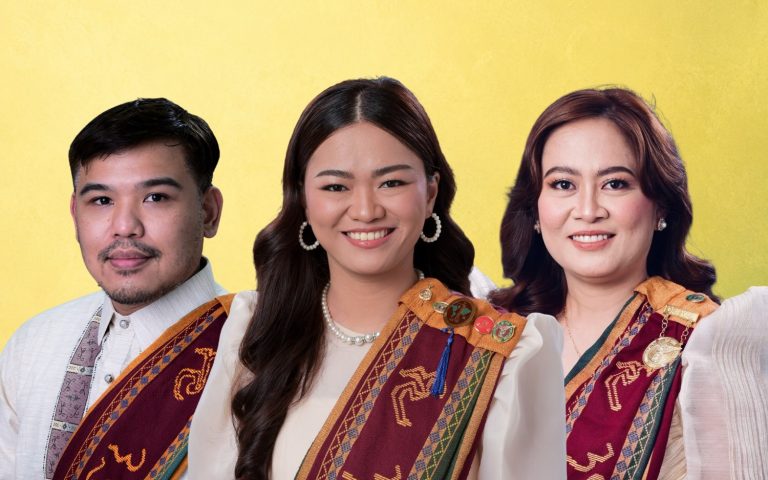
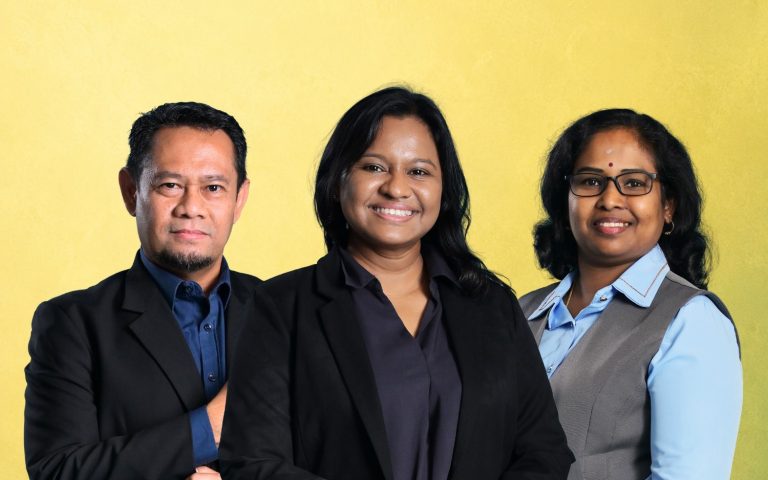
Led by Dr Shari Eunice T. San Pablo of the University of the Philippines Open University (UPOU), this SEAF team integrates expertise across communication and immersive technologies. Dr Shari is an artist, educator, and Studio Director of Creative Systems & Futures Studio, and her work explores intersections of art, science, and human agency through interactive installations. Dr Roberto B. Figueroa Jr., Dean at UPOU and ISTaR Laboratory Head, researches extended reality and metaverse-enabled education while leading a DOST-funded immersive science communication project. Blancaflor P. Arada, Assistant Professor and UPOU Registrar, specialises in physical computing and educational innovations, focusing on Tinkercad and immersive space usability. The team’s SEAF project, Fare Play: Invisible Routes, Everyday Life, and Mobility Futures in Manila, uses creative and immersive methods to trace how app-based mobility platforms are rewriting everyday life in the city.
Southeast Asia is undergoing rapid digital transformation, and AI, data platforms, remote sensing, and immersive media are increasingly influencing governance, education, heritage, and public life. These technologies are not neutral. They shape how people understand history, identity, and community. Research on our sociodigital futures is therefore essential, allowing Southeast Asians to define how technology should serve our societies, cultures, and values rather than adapting to models developed elsewhere.
For Southeast Asia, where cultural diversity and historical complexity are defining strengths, research must examine not only technological innovation but also its ethical, social, and cultural consequences. Locally grounded scholarship can ensure, for instance, that digital transformation supports inclusion, protects cultural heritage, and respects community knowledge. By producing evidence-based perspectives rooted in regional experience, Southeast Asian researchers can contribute to global conversations while advancing digital futures that are equitable, culturally meaningful, and responsive to the needs of the communities they are intended to serve.
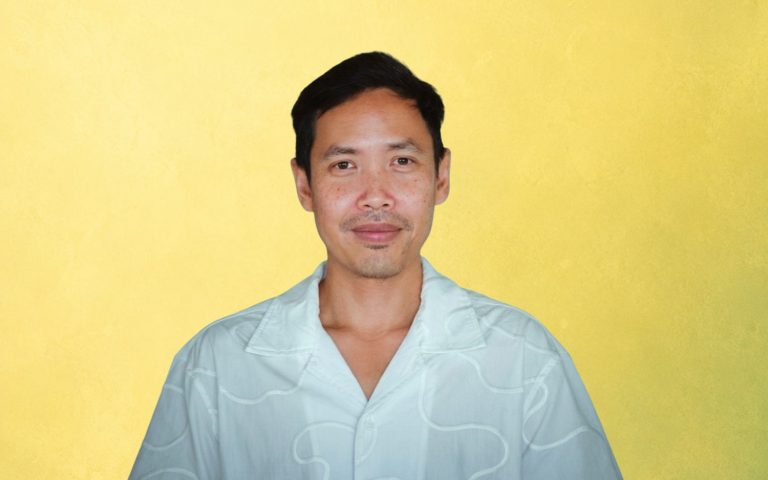
Dr Ros Sayumphu is an interdisciplinary researcher specialising in Science and Technology Studies (STS), digital heritage, and data ethics. His SEAF project, When Data Becomes Meaning: Digital Interpretation, Ethics, and Cultural Identity at Banteay Chhmar and Banteay Toap, examines how digital technologies shape cultural meaning, heritage interpretation, and community identity in Cambodia. Through an ethical and interdisciplinary lens, he investigates how digital innovation can strengthen culturally inclusive and sustainable sociodigital futures across Southeast Asia.
"SEAF invites Fellows to find new ways of communicating complex ideas and drawing wider communities into conversations about the region’s possible futures."
Across Southeast Asia, governments are investing heavily in digital transformation, viewing technology as central to the region’s future. Countries are competing to strengthen digital economies, modernise education, and position themselves for an increasingly technology-driven world.
Amid this race towards innovation, it is easy to overlook the possibility that not everyone will experience this future in the same way. We were reminded of this during a conversation with a visually impaired learner. She spoke about continuing her education despite knowing that her eyesight would continue to deteriorate. The uncertainty was not whether she wanted to learn or participate, but whether the systems, technologies, and institutions surrounding her would evolve in ways that allowed her to do so.
Her situation raises a broader question. Who gets to participate in imagining these futures in the first place? Learners themselves, including those whose needs are often less visible, should have opportunities not only to use future digital education systems, but also to help shape them. Southeast Asia will undoubtedly continue to flourish digitally. The more important question is whether everyone will have an opportunity to flourish alongside it. Innovation without inclusion is simply a more efficient form of exclusion.
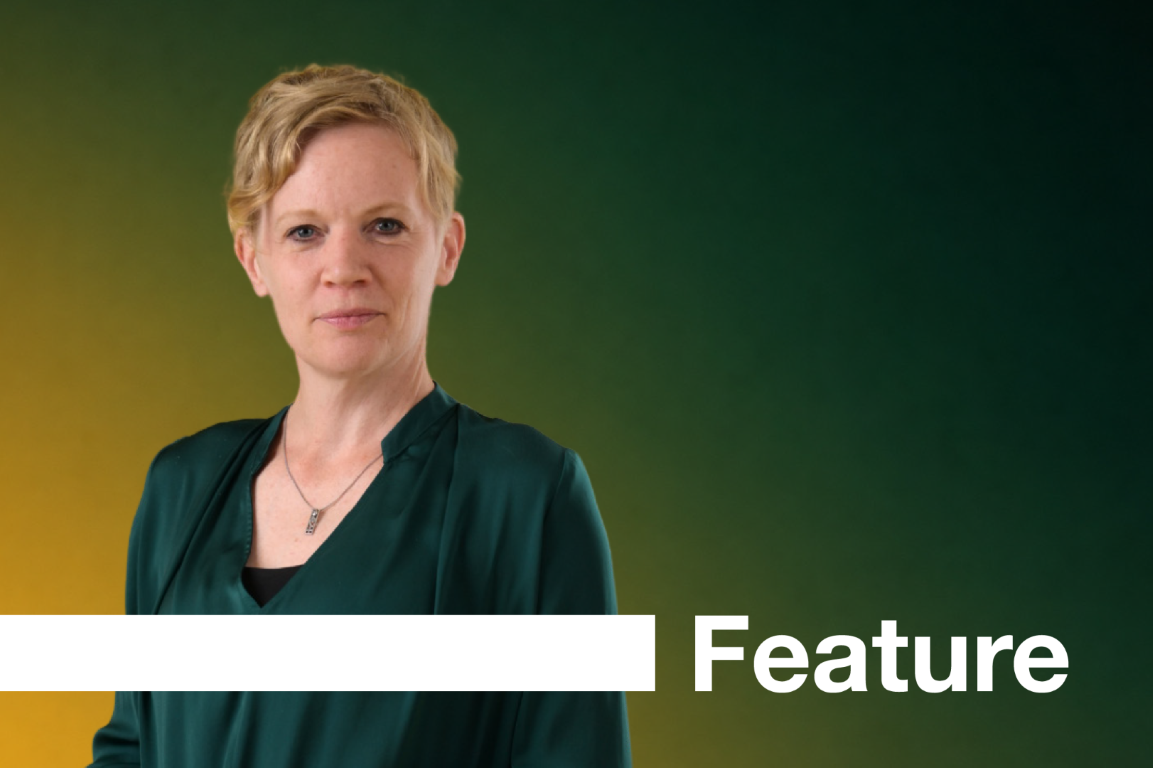
Christina Richard is a media scholar and former producer researching digital citizenship, cyberbullying, and online participation. Dr Hazrul Hizam Karim is a counsellor and researcher specialising in psychology, wellbeing, and human behaviour. Dr P. Kangathevi Ponnudorai is an English Language Studies scholar whose work spans technology- enhanced learning, forensic linguistics, and language accessibility. Together, their SEAF project, Built With/out Us: Visually Impaired Youth Reimagine Inclusive Futures, investigates how visually impaired learners navigate digital education and envision more inclusive futures.
"The inaugural SEAF cohort reflects the diversity and complexity of Southeast Asia itself."
Southeast Asia is among the world’s heaviest consumers of digital technology, yet almost none of the platforms, algorithms, or AI systems shaping our daily lives were designed here, for us, or with our cosmologies in mind. The imbalance is structural rather than incidental. The companies producing these technologies extract our attention, our data, and our relational life as raw material.
Our modern bodies arrive fragmented as a consequence. Compressed by the accelerated speed of urban digital life, we have learned to move faster than we can feel. Research into our own sociodigital futures is therefore an act of reclaiming Khwan, the soul that scatters under extraction and must be called back collectively. Digital literacy cannot mean only the ability to function within platforms built elsewhere. What we need are participatory, embodied methodologies rooted in local cosmologies and collective practice. In my work, quantum computing enters into dialogue with Khwan ontology, an animistic framework of relational personhood, tested across three local communities exchanging learning about collective wellness and spiritual resilience in relation to AI society.
The stakes are not academic. They are about who gets to imagine the future, and from whose body we begin.
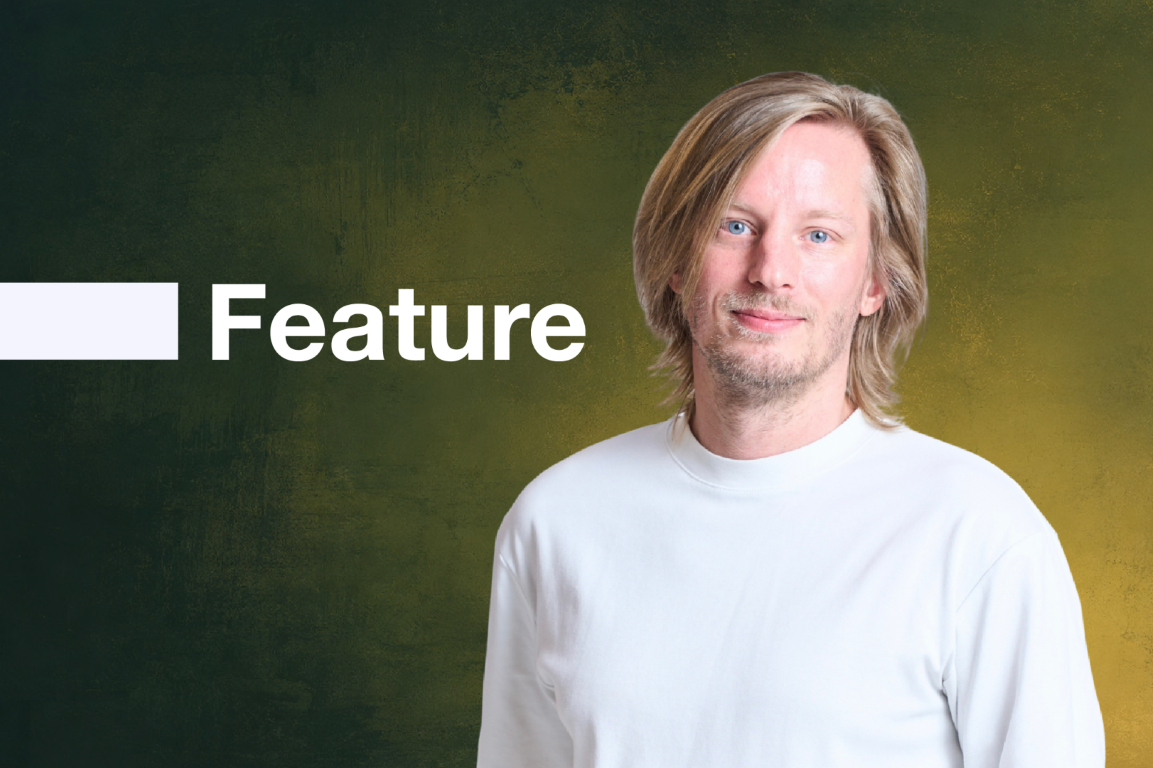
Dr Nitipat Pholchai (Ong) works at the edges where bodies, cosmologies, and quantum AI systems meet. Based in Chiang Mai, he is a movement artist, researcher, and educator whose practice asks what becomes possible when indigenous soul-essence ontology and quantum computing listen to each other. He is the founder of Conscious Movement Collective Bangkok and the Khwantum Project, an ongoing inquiry into entanglement, presence, and the futures we might sense into being together. His SEAF project is Beyond the Quantum Divide: Khwan-tum Futures — Khwan Cosmology as a Vernacular Framework for Southeast Asian Sociodigital Futures.
Copyright © Open University Malaysia 2018 – 2026 inspired All Rights Reserved.
No part of inspired may be reproduced in any form or by any means without the written consent of the Editor of inspired.