Beyond Optimisation:
Slowing Down the Future of Digital Education
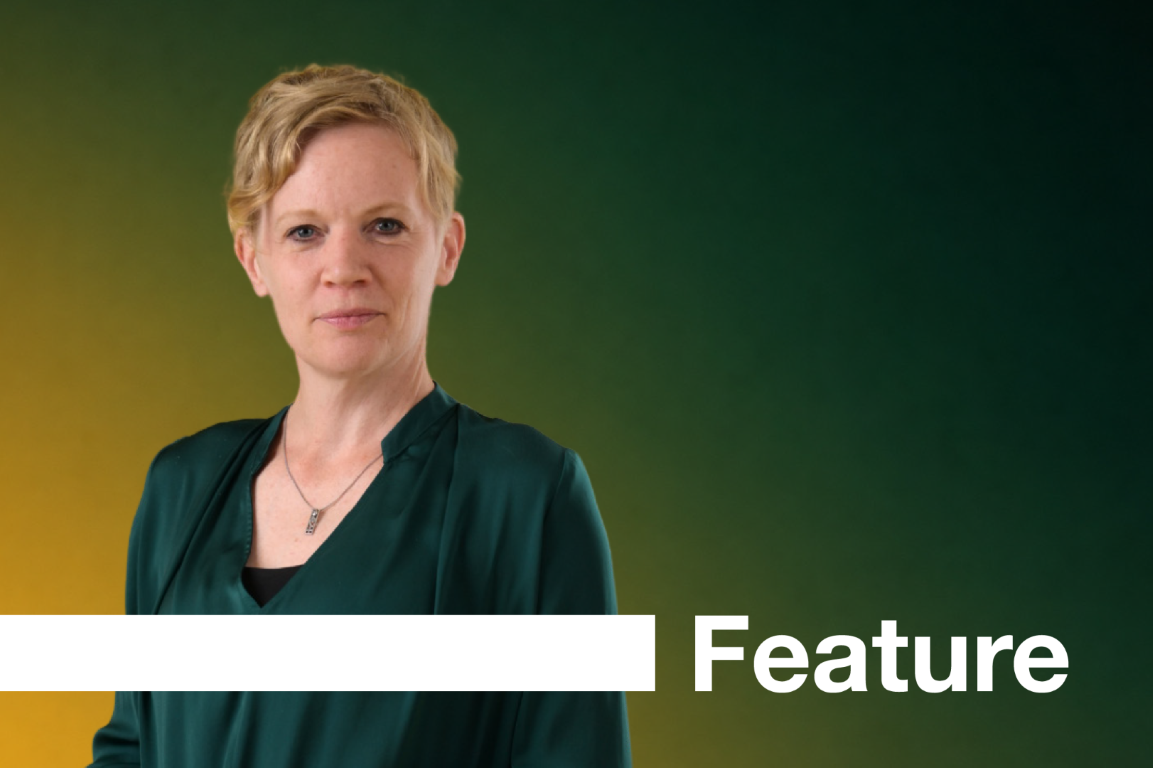
By Prof George Veletsianos
University of Minnesota–Twin Cities
Digital education is typically evaluated against three questions about teaching and learning:
• Is it effective – do students meet established learning goals? • Is it engaging – does the environment draw sustained attention and positive response? • Is it efficient – do students, educators, and institutions meet those goals with minimal expenditure of resources, like money and time?
These are reasonable and, to a certain degree, useful questions.
But they are optimisation questions. They ask how well and how cheaply a system delivers. They don’t ask about unintended consequences or about anything beyond outcomes already defined in advance. The third question in particular treats time as a cost that must be minimised. From there, it is easy to assume that compressing time is worthwhile and necessary, leading to a variety of practices like instant grading, shorter courses, and compressed degrees.
"What becomes possible when we refuse to let optimisation define the horizons of digital
education?"
While these practices might be appropriate in some contexts, they carry assumptions about teaching and learning that we tend to absorb without noticing them. In turn, those assumptions shape the ways we imagine the future of education. If efficiency is central, then education futures that don’t prioritise it become difficult to imagine. Our imagination becomes constrained by the assumptions and priorities of those questions.
One orientation that might be helpful to consider in refusing efficiency is Σιγά Σιγά (siga siga), a Greek expression whose literal translation is “slowly slowly.” Its meaning is to invite people to slow down, to not rush, and to take their time. Such an orientation might be applied to digital technology in a number of ways, from declining to treat an edtech product’s arrival as a reason to adopt it, to taking the time to ask what it does to relationships, judgement, and learning.
Siga siga invites us to ask a different question: What becomes possible when we refuse to let optimisation define the horizons of digital education?
inspired is a quarterly publication by: UNITEM SDN BHD, Menara OUM, Block C, Kelana Centre Point, Jalan SS7/19, Kelana Jaya 47301 Petaling Jaya, Selangor