Refusing the Premise: On Passive Recipients and Active Authors in Digital Education
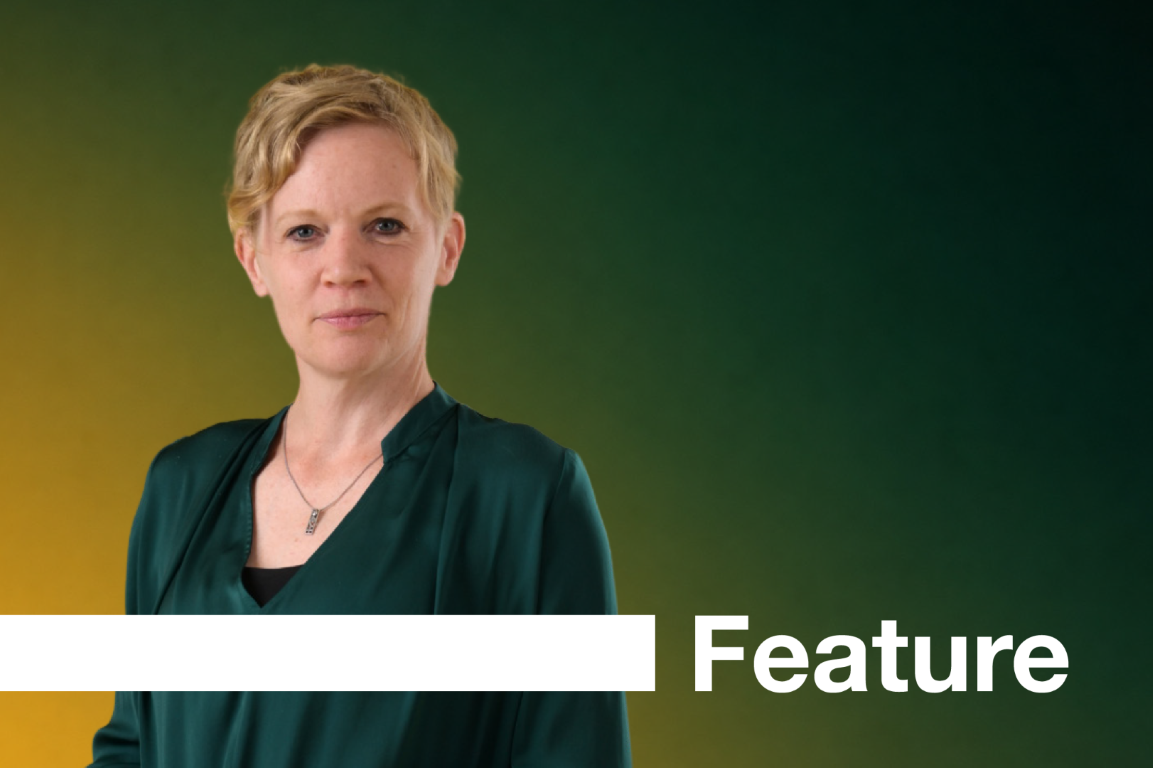
By Prof Felicitas Macgilchrist Carl von Ossietzky University of Oldenburg
Education has become a global marketplace, with speculations that the edtech market will be worth USD 215 billion in 2026. In the face of this massive corporate investment, many people are seeking answers to how educators, students, institutions, and communities can become active authors of digital education futures, rather than passive recipients of systems designed elsewhere.
"Educators have long rejected software
and hardware which contravenes their pedagogical principles."
A key answer to this question is to refuse its premise. People are not passive recipients. There is a long history of refusal to use technologies in the ways they were designed. Research shows how classrooms are spaces of creative uptake and subversive use. Educators have long rejected software and hardware which contravenes their pedagogical principles. These actions have, however, been interpreted as a fear of technology: as old-fashioned pedagogies, lazy educators or stagnating institutions. A primary response has been to try to increase ‘technology acceptance’, rather than to redesign the sociotechnical systems.
It will, therefore, take intense work, firstly, to recognise the already active authorship of human actors. And secondly, for educators, students, institutions and communities to further empower themselves, demanding digital technologies and services which are (re-)designed to meet their needs, and rejecting tech fixes for trivial problems. This recognition and these demands will strengthen our active authorship of digital education futures.
inspired is a quarterly publication by: UNITEM SDN BHD, Menara OUM, Block C, Kelana Centre Point, Jalan SS7/19, Kelana Jaya 47301 Petaling Jaya, Selangor